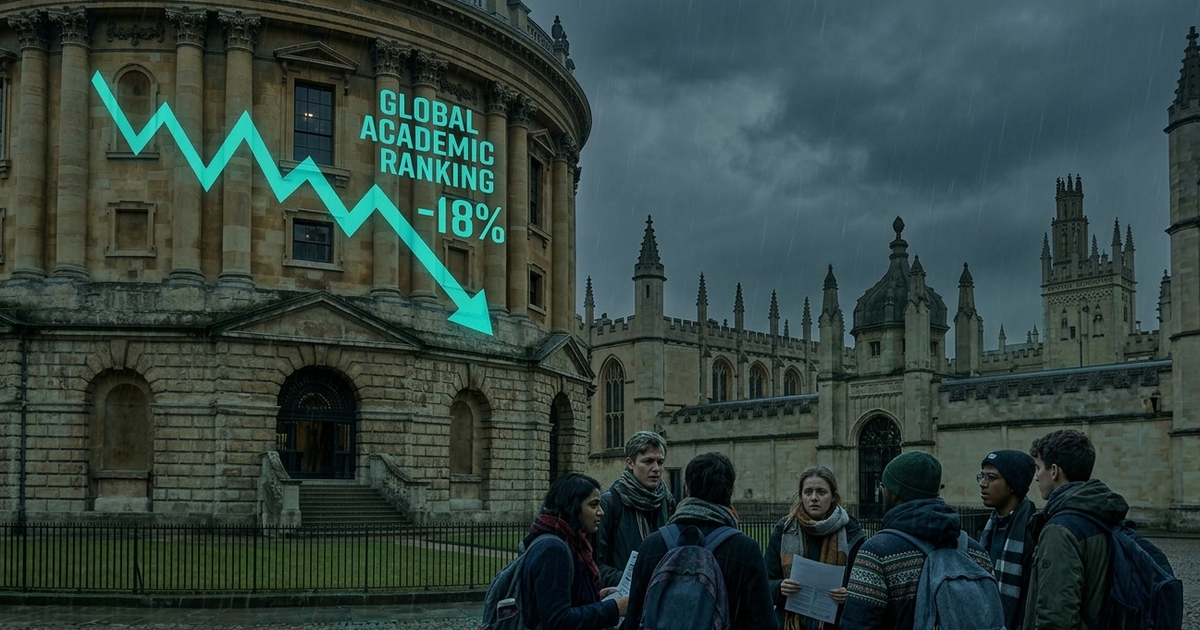
For the first time in history, Oxford and Cambridge have fallen out of the top three in the Times & Sunday Times Good University Guide 2026. Durham, St Andrews, and the London School of Economics now lead the table. While Oxford remains globally prestigious, this shift highlights a changing landscape in UK higher education, one where student satisfaction, employability, and skills alignment carry growing weight.
Why the shift?
The rankings are not based on tradition alone. They measure teaching quality, student experience, graduate prospects, and other outcomes. Recent surveys show that student feedback at Oxford and Cambridge has been less enthusiastic than at their competitors. Meanwhile, universities such as Durham and LSE have invested heavily in teaching innovation, student support, and programmes closely tied to modern job markets.
Student satisfaction and value perception
Students today expect more than academic excellence. They want engaging teaching, responsive support, and a clear sense that their education prepares them for life after graduation. Tepid feedback from Oxbridge students suggests a growing gap between the prestige of the institution and the everyday experience of studying there.
Employability and skills relevance
Employers increasingly demand graduates with transferable soft skills—communication, teamwork, problem-solving—as well as adaptability to emerging fields like AI, data, and sustainability. Universities that embed these into curricula, offer industry placements, and keep learning aligned with market realities score higher in both graduate outcomes and satisfaction.
The bigger picture The drop in ranking does not mean Oxford and Cambridge have lost their edge in research or tradition. Rather, it signals that students and employers now measure value differently. Prestige is no longer enough; practical skills, career readiness, and student experience are becoming decisive.
Conclusion
The future of higher education must place employability and student needs at the center, ensuring that learning outcomes align with real-world demands. This is where Scofolio steps in: Scofolio helps universities reach that goal by providing skills-based, innovative tools that strengthen student experience, embed soft skills development, and connect education more closely to the workplace of tomorrow.